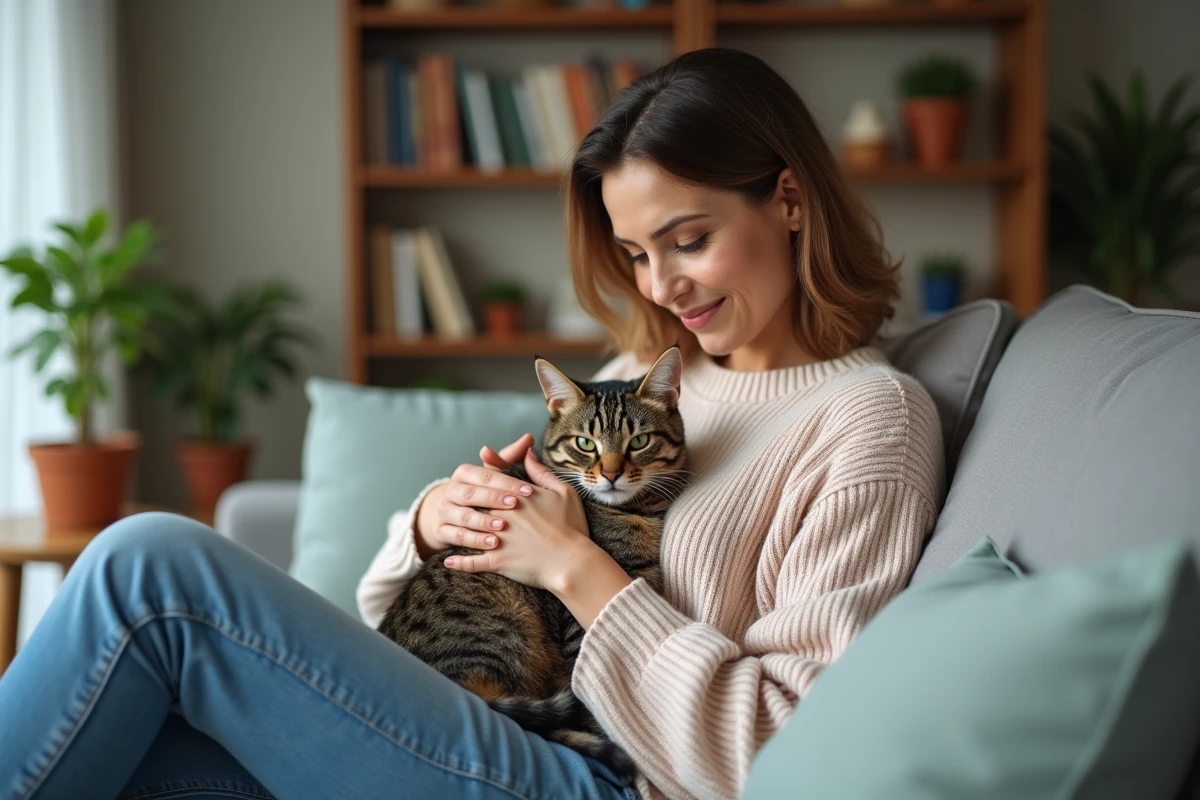
An adult cat can spend up to 70% of its life sleeping, but a simple change in its environment can sometimes disrupt its habits and balance. Grain-free foods, often perceived as more natural, are not suitable for all felines and can lead to unexpected deficiencies.
Kidney diseases are among the leading causes of mortality in domestic cats, while some symptoms may go unnoticed for months. Vaccination schedules vary by region and lifestyle, leading to sometimes contradictory protocols among veterinarians.
Essential needs for your cat’s health and well-being
The life of a cat, whether it is discreet or loves to be noticed, requires constant vigilance regarding its needs every day. The health of the cat primarily depends on a diet tailored to its age, breed, and activity level. Prioritize meals rich in protein and limited in additives to maintain its vitality. One detail not to overlook is the quality of its water. Installing a fountain can encourage your companion to drink more and reduce the risk of urinary problems.
Space arrangement is equally important. For an indoor cat, setting up a cat tree, wall shelves, or creating hiding spots gives it the opportunity to climb, observe, and isolate itself. The litter box should remain clean and accessible, away from the feeding area. Regular maintenance is essential to avoid diseases and undesirable behaviors.
Daily vigilance makes a difference. A veterinarian will be able to adapt the vaccination schedule to your pet’s reality in France. Regularly examine its coat, eyes, and movements: any anomaly deserves attention. Spotting a problem early can sometimes spare it a lot of suffering.
As for cat insurance, it allows you to face unexpected health expenses more calmly. For those who want to deepen their understanding of the cat, a fascinating and complex pet, cats on Roxane Westie offer a wealth of reliable information on health, ethics, and feline education.
What signals to watch for to detect a health problem in your cat?
Subtle changes, decisive alerts
Feline diseases often manifest discreetly. A cat knows how to hide pain, sometimes to the extreme. Pay close attention to any changes in behavior: an animal that isolates itself more than usual, neglects its food bowl, or conversely, shows unusual nervousness, sends a signal that should never be ignored. A less shiny coat, a hasty grooming, are signs of deeper discomfort.
Here are concrete signs to keep an eye on to react as early as possible:
- Repeated scratching of the ears or head shaking: watch for the presence of ear infections, parasites, or allergies.
- Changes in litter box usage: if the cat struggles to urinate, goes elsewhere, or if blood appears, it may indicate a urinary or digestive issue.
- Coughing, sneezing, discharge from the eyes or nose: these respiratory symptoms should alert you to a risk of viral or bacterial infection, common in cats in France.
A cat that refuses to eat or vomits repeatedly should be examined by a veterinarian without delay. Also monitor its weight: any sudden variation, loss, or gain can reveal a chronic disease.
By staying attentive, you can avoid many complications. For any doubt, consult a trained professional. Adjust the frequency of check-ups to the reality of your indoor cat or your outdoor companion, considering its age and medical history.
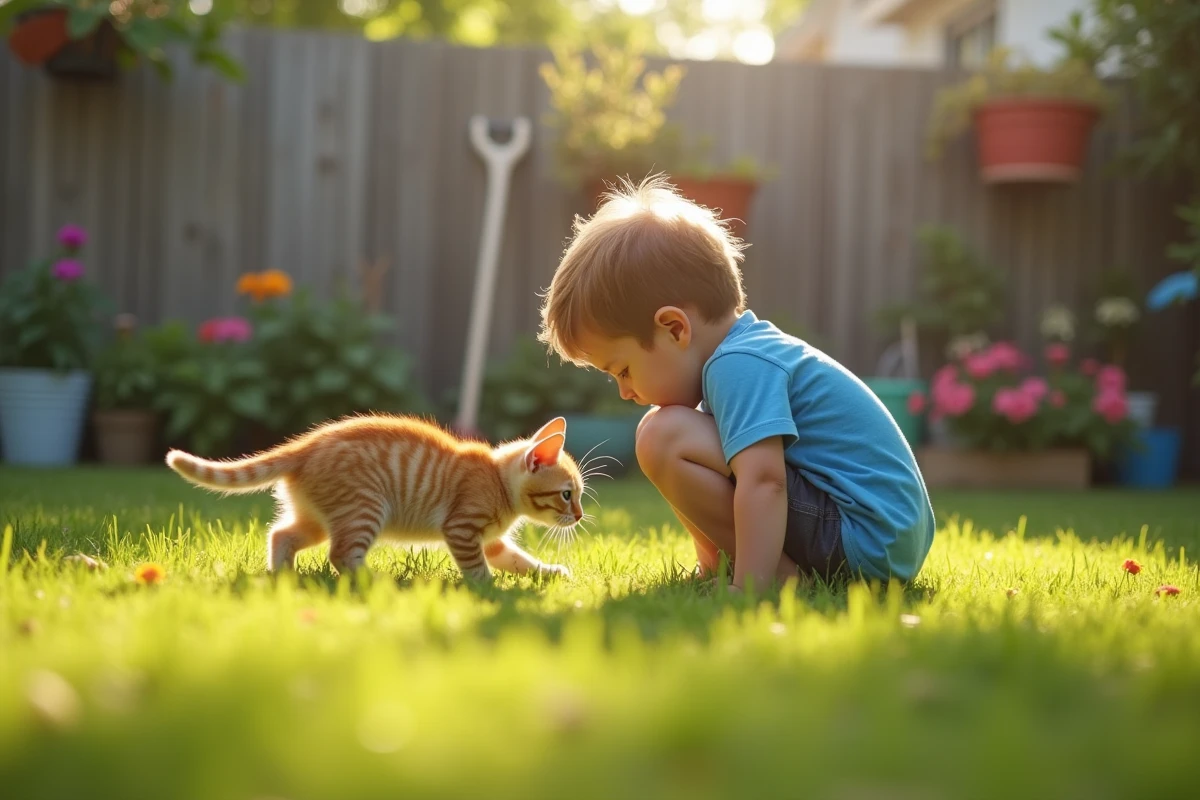
Small daily tips to make your feline’s life easier
Anticipate needs, understand desires
Every cat, whether living in an apartment or a house, imposes its own logic. To maintain the balance of your pet, create high spaces. Wall shelves or a cat tree provide the feline with opportunities to observe, climb, and isolate itself. This vertical territory limits conflicts, especially in households with multiple cats.
The cleanliness of the litter box is not a detail: daily maintenance reduces stress and prevents behavioral issues. Place it away from the food bowls, in a quiet area, without constant traffic. Monitor your cat’s preferences; some refuse scented or overly fine litter.
Play structures the cat’s day. Vary the activities: feather wands, balls, tunnels, and also repurposed cardboard boxes. The routine of behavioral education is enriched by these shared moments, essential for socialization and physical exercise.
Here are some simple ideas to structure its days:
- Alternate short sessions with rest phases.
- Reward calm behaviors without resorting to punishment.
- Introduce new toys gradually to stimulate curiosity.
The diversity of cat breeds sometimes requires reinventing family solutions: some lines are bursting with energy, while others seek serenity. Observe, adapt, and create routines that match your pet’s personality. Living with a cat means allowing yourself to step off the beaten path and be amazed every day.