Opening your wardrobe on a rushed morning and putting together an outfit that works without hesitation: that’s the true test of style in everyday life. The current trend no longer pushes for multiplying pieces, but rather for better utilizing a stable base of clothing. Elevating your style now involves targeted adjustments (texture, proportions, accessories) rather than a complete overhaul each season.
Building a personal uniform rather than accumulating clothes
We start from a ground-level observation: most of us regularly wear the same silhouettes. High-waisted pants with a tucked-in top, straight jeans paired with a structured jacket, a straight dress for days when we want to be quick. Recent reports from McKinsey and IFM confirm this clear trend towards what is called the personal uniform or capsule wardrobe.
The principle is simple: we identify three or four combinations that work for us, and we repeat them. Repetition is not an admission of laziness; it’s a strategy. It reduces decision fatigue in the morning and frees up energy for the details that truly matter.
To ensure this uniform doesn’t become monotonous, we play with subtle variations. We replace a round collar with a V-neck. We alternate between a matte fabric and a satin one on the same type of top.
We change the belt, the scarf, the watch. These micro-adjustments are enough to refresh the look without altering the structure of the outfit. Those who explore the fashion universe of Belle et Épanouie will find this type of approach focused on coherence rather than accumulation.
Layering and textures: the concrete levers that change a silhouette
A plain white t-shirt worn alone gives one result. The same white t-shirt under an open linen shirt, with rolled-up sleeves, creates a completely different effect. Layering is the most underestimated lever of everyday style.
Working with layers without overloading
We aim for two to three visible layers, no more. The operational rule: each layer should slightly exceed the previous one, either in length or at the wrists or collar. This offset creates visual depth and structures the silhouette.
Here are a few combinations that work daily without requiring special pieces:
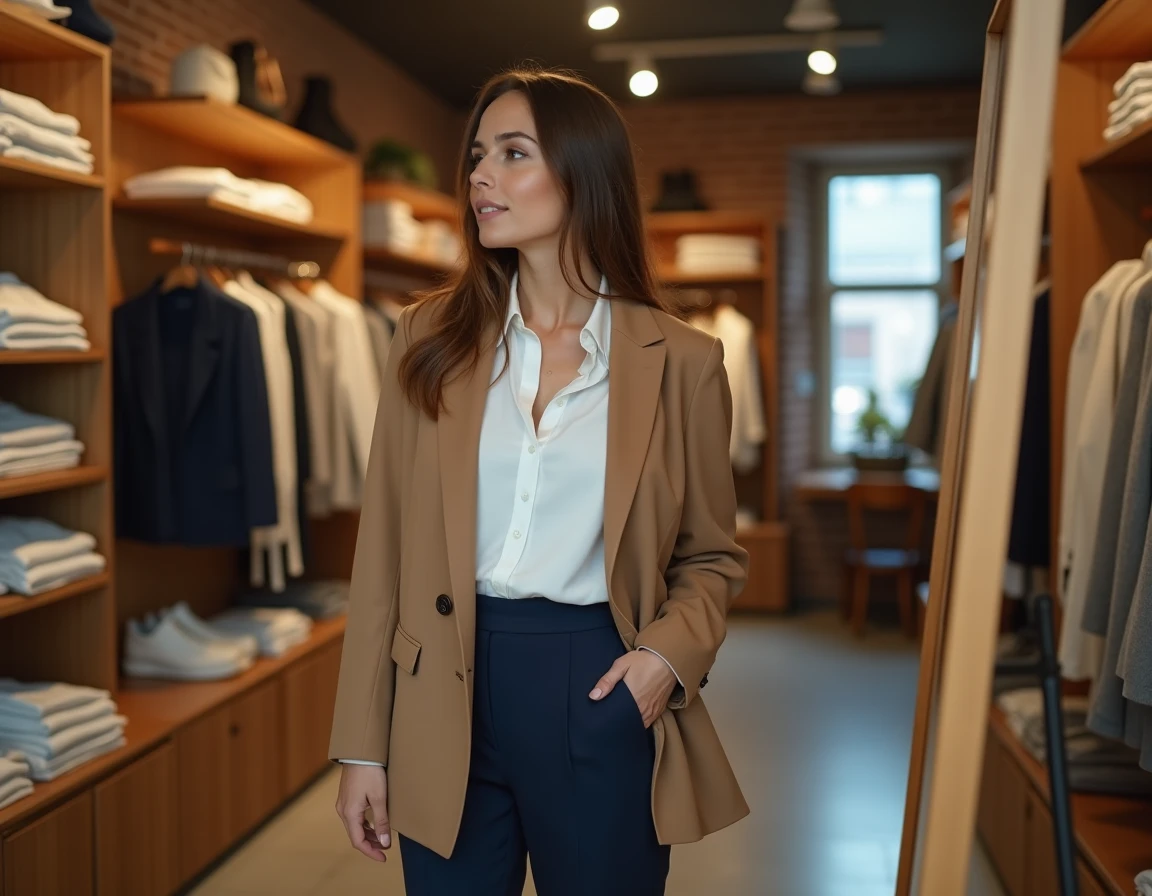
- A thin turtleneck under an oversized blazer, with the turtleneck visible at the neck and wrists. The effect is sharp, even with basic jeans.
- A straight dress worn over a long-sleeved underlayer when the season cools down. This extends the lifespan of a summer piece without additional investment.
- A sleeveless vest (knit or tailored) over a loose shirt. The vest restructures the silhouette and defines the waist without a belt.
Betting on texture contrast
Color grabs attention, but texture gives personality to an outfit. Corduroy pants with a smooth knit sweater create a tactile contrast that enriches a monochrome look. Conversely, pairing two too-similar materials (fine cotton on fine cotton) flattens the silhouette.
You don’t need rare pieces to play this game. Raw denim, crumpled linen, twisted knit, smooth leather: these materials exist in most wardrobes. Feedback on this point varies by body type, but the principle remains the same: a matte/shiny or smooth/textured contrast is enough to add dimension.
Fashion accessories: three gestures that replace ten purchases
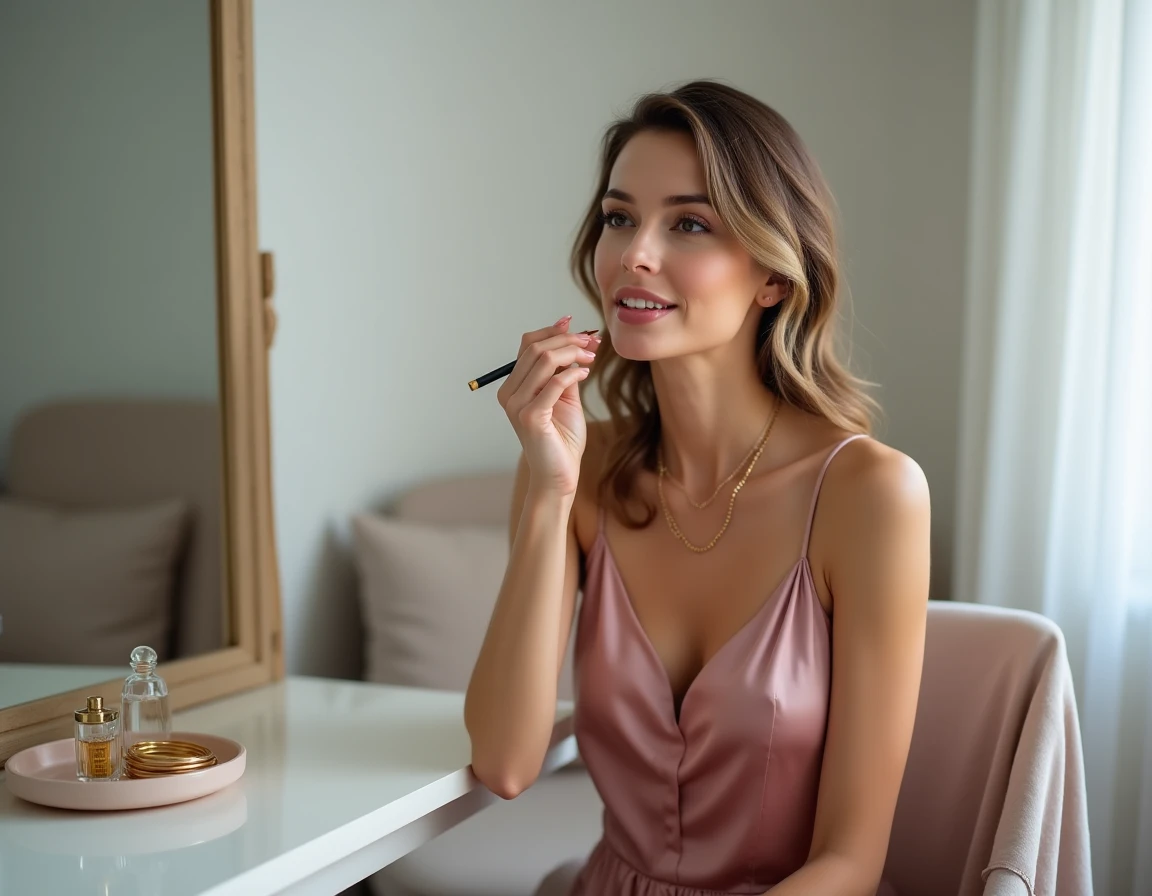
Accessories are not a decorative addition. They shift an outfit from functional to intentional. But we are talking about precise gestures here, not a collection of jewelry piled in a box.
The first gesture is the belt worn as a visible element. On a flowy dress, a thin leather belt defines the waist and transforms a rectangular shape into a structured silhouette. On high-waisted pants, a slightly contrasting belt (tone-on-tone with the shoes, for example) creates a line of recall that unifies the look.
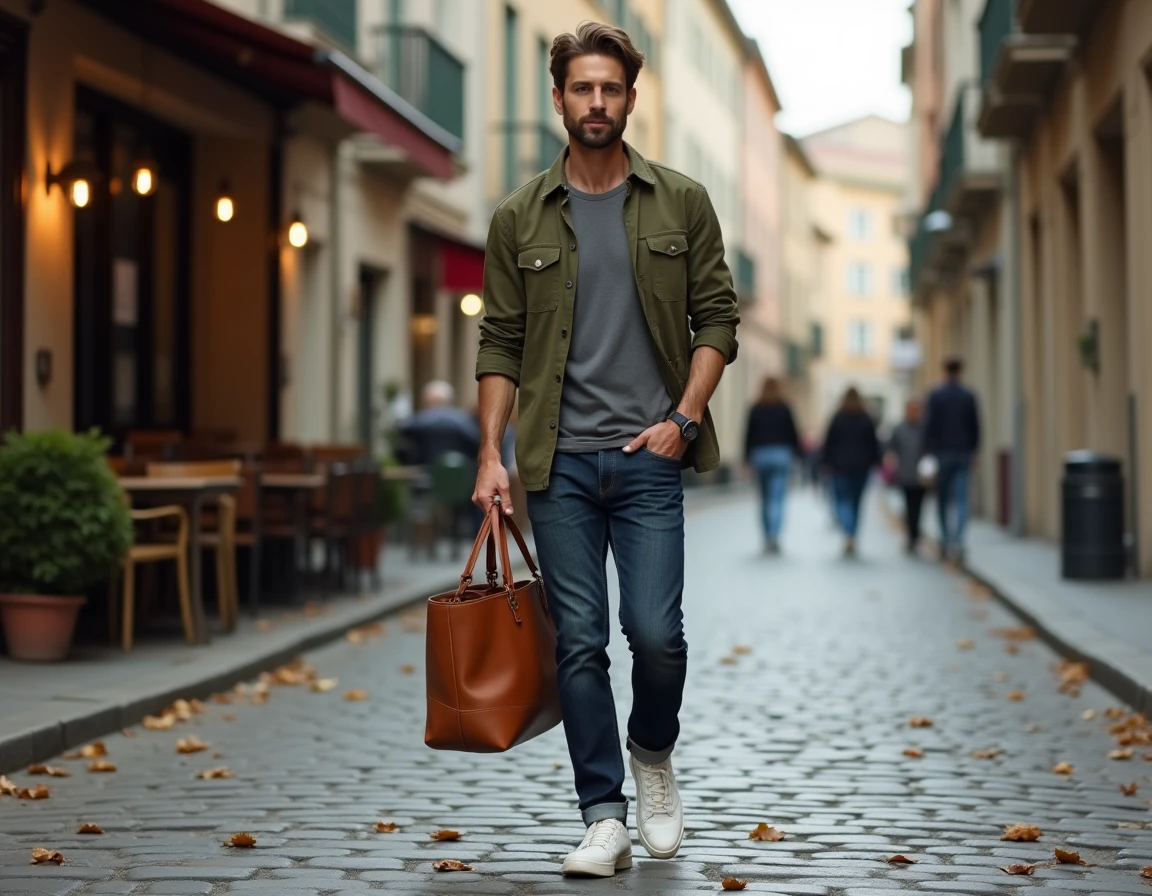
The second gesture concerns shoes. We underestimate how changing only the shoes transforms the complete reading of an outfit. Raw jeans with white sneakers say “casual weekend.” The same jeans with leather loafers say “city meeting.” No other clothing has been altered.
The third gesture is the bag. Not the everyday bag stuffed to the brim, but a bag whose shape and color have been chosen in line with the dominant palette of the wardrobe. A bag that works with most outfits avoids the compulsive purchase of “matching” models for every new piece.
Labels and sustainability: how everyday style aligns with responsible choices
The European legislative package on sustainable and circular textiles, adopted in 2024, strengthens mandatory labeling on the sustainability and reparability of clothing in the EU. In practical terms, this means that information about the longevity of a fabric is gradually becoming accessible at the time of purchase.
Applications like Good On You or Clear Fashion already allow you to scan a brand and obtain an impact rating. This is not trivial for style: choosing durable and versatile basics is investing in pieces that remain presentable after dozens of washes. An organic cotton t-shirt with a sufficiently dense weight retains its shape longer than a budget model that warps after three washes.
The link between sustainability and elegance in everyday life is direct. A piece that ages well develops a patina, gains character. A raw denim that fades naturally tells a story. A leather that shines over time gains personality. Elevating your style also means accepting that clothes live and that this controlled wear contributes to the overall look.
The last point to keep in mind: the best outfit in the world only works if you feel comfortable in it. Before following a trend or applying a layering technique, make sure you can move, sit, and walk without thinking about it. Elegance that requires constant effort always ends up showing, and not in a good way.