The ethical fashion market has structured itself in recent years around labels, committed brands, and second-hand platforms. Recent work in consumer sociology points to a shift in the debate: the real impact of a wardrobe depends more on the frequency of purchases, maintenance, and the lifespan of items than solely on the choice of a responsible brand.
This observation raises a less addressed question, that of stylistic autonomy, meaning the ability to compose, maintain, and transform one’s clothing without relying on trend cycles.
Stylistic autonomy: a more powerful lever than the ethical label
Buying a garment certified in organic cotton doesn’t change much if the item ends up at the back of a closet after three uses. The actual lifespan of a garment matters more than its production method. Wearing a skirt or pants twice as long significantly reduces its footprint compared to simply switching brands.
Stylistic autonomy involves developing a foundation of practical skills: knowing how to mix a few pieces together, identifying durable materials, properly maintaining a fabric, and repairing rather than replacing. This approach does not rely on a specific budget. It is based on know-how.
Independent creators and stylists have recently documented this rise in autonomy through clothing, via online educational content. Sewing, mending, transforming existing pieces are no longer just creative hobbies: they are becoming a deliberate strategy to regain control over one’s style and reduce new purchases. To deepen these practices in daily life, fashion on Blog Autonome regularly discusses these topics from the perspective of clothing independence.
Sustainable wardrobe: materials and pieces that stand the test of time
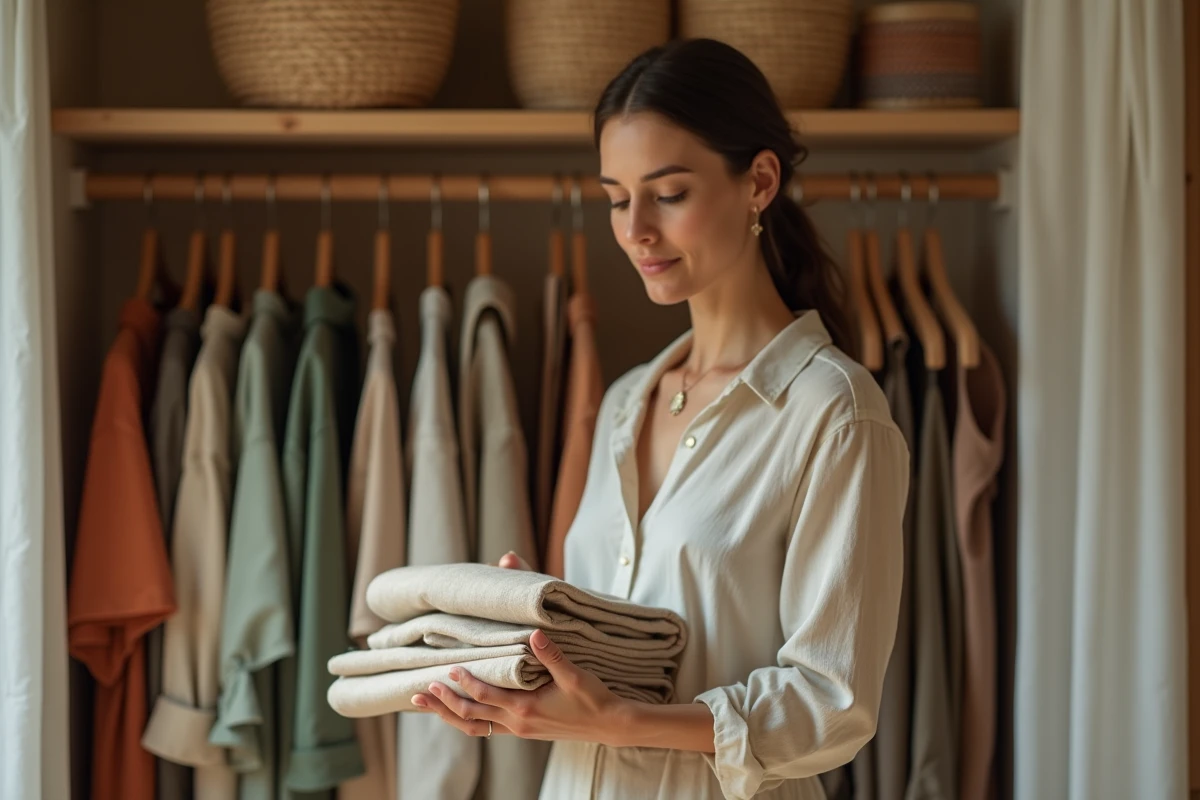
Choosing durable clothing requires a minimum understanding of materials. Thick cotton, linen, and untreated wool age better than most cheap synthetic fibers. A quality fabric is recognized by touch (density, weaving regularity) and the finishing of seams.
A well-chosen garment made from natural material can be worn for years without losing its shape. However, available data does not allow us to conclude that a recycled material systematically offers the same longevity as a quality virgin fiber. Field reports vary on this point, particularly for recycled polyesters used in sustainable fashion.
Building a functional wardrobe with few pieces requires thinking in terms of compatibility. A few concrete criteria help to sort:
- The versatility of the piece: a garment that only works with one outfit is a fragile purchase, regardless of its price or label.
- The durability of tension areas (shoulder seams, crotch, buttonholes): these are the first to give way on a poorly made piece.
- The ease of maintenance: a dress or blazer that requires frequent dry cleaning has a hidden cost, both financial and environmental.
Repairing and transforming clothing: concrete skills to acquire
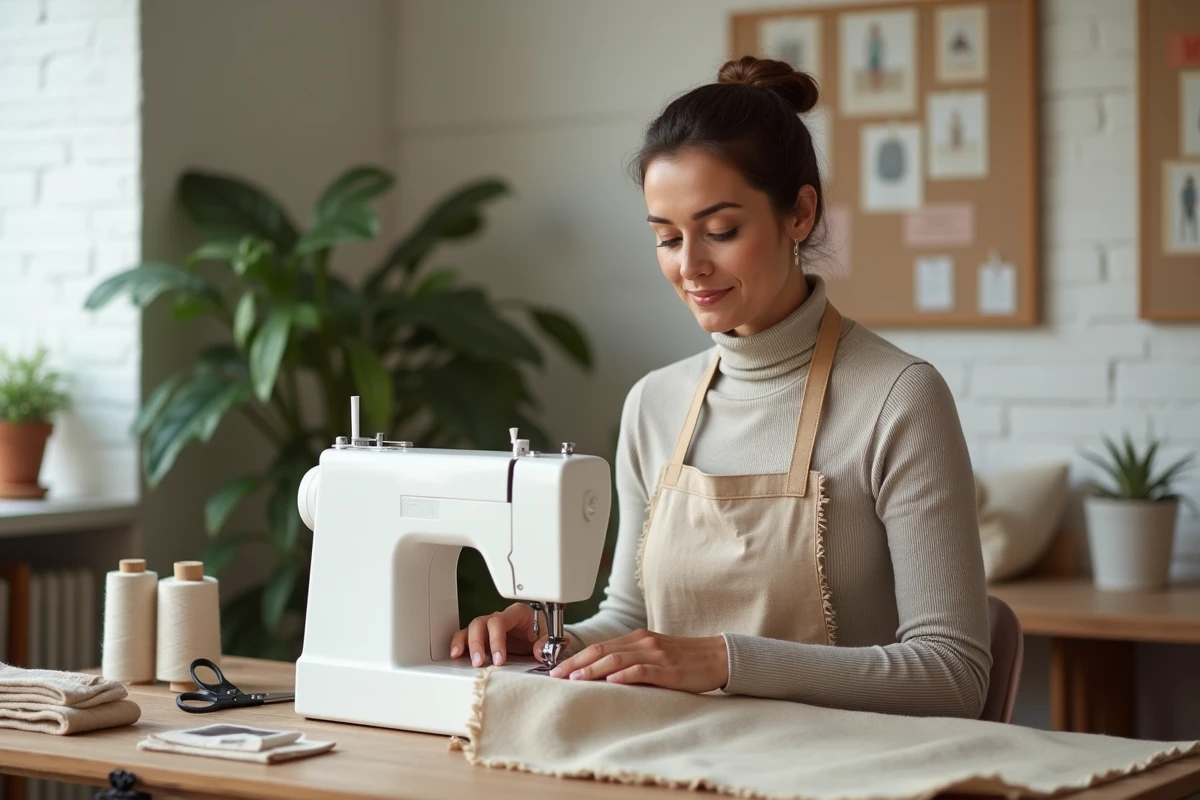
Re-stitching an open seam, applying a patch to a tear, shortening a hem: these actions do not require an industrial sewing machine or long training. Learning five basic repairs covers the majority of common incidents in a wardrobe. A minimalist sewing kit (thread, needles, scissors, thimble) is enough to get started.
Transforming existing pieces goes further. Altering the cut of an oversized shirt, dyeing a faded fabric, converting pants into shorts or a t-shirt into a crop top are operations accessible with a video tutorial and a bit of patience. These techniques allow for renewing a look without buying new clothing.
What still hinders the adoption of textile repair
The main obstacle is neither cost nor time, but the loss of transmission. Previous generations learned sewing in school or at home. This knowledge has largely faded in favor of fast fashion and systematic replacement.
Repair workshops, which are reappearing in some cities, partially fill this gap, but their accessibility remains uneven.
Ethical style in daily life: composing a personal look without following trends
Fashion operates in seasonal cycles that encourage impulsive buying. Breaking out of this rhythm is the most concrete decision to reduce one’s clothing footprint. Building a stable personal style requires identifying a few constants: colors that suit one’s complexion, cuts in which one feels comfortable, materials one enjoys wearing throughout the seasons.
This identification work does not happen in an afternoon. It refines over time, through trial and error. Creators who document their journey online confirm this: stylistic autonomy is a process, not a one-time purchase.
Some habits help structure this approach:
- Photographing outfits for two weeks to see what is actually worn (and what stays on the hanger).
- Limiting purchases to pieces that can be paired with at least three already owned garments.
- Setting a reflection period before any unplanned purchase, even second-hand.
- Favoring natural dyes or neutral colors to maximize possible combinations.
The most durable garment is the one that is truly worn, not the one that boasts the best label. This simple principle shifts the question from brand choice to lifestyle choice. A woman or man who knows their wardrobe, knows how to maintain it and evolve it does not need to renew their pieces every season.
The current trend that shifts the debate from “what to buy” to “how to consume” reflects this shift. The issue is no longer just about finding the right ethical brand, but about developing a sustainable skill in relation to clothing, a skill that makes each purchase more thoughtful, each piece longer-lasting, and each wardrobe a little more independent from the market.