A construction material is considered eco-friendly when it has a reduced environmental footprint throughout its entire life cycle: extraction, manufacturing, transportation, implementation, use, and end of life. Renovating your home with this type of material goes beyond simply replacing a conventional product with a “green” equivalent. The choice is based on specific technical criteria, recent regulatory constraints, and knowledge of recovery channels.
PEMD Diagnosis and PMCB REP Sector: What Regulations Require Before the Project
Before selecting an insulation material or cladding, regulations require an inventory of what already exists in the building. Since July 1, 2023, the PEMD diagnosis (products, equipment, materials, waste) applies to significant demolitions and rehabilitations covering more than 1,000 m², as well as certain buildings that have hosted industrial, agricultural, or commercial activities involving hazardous substances.
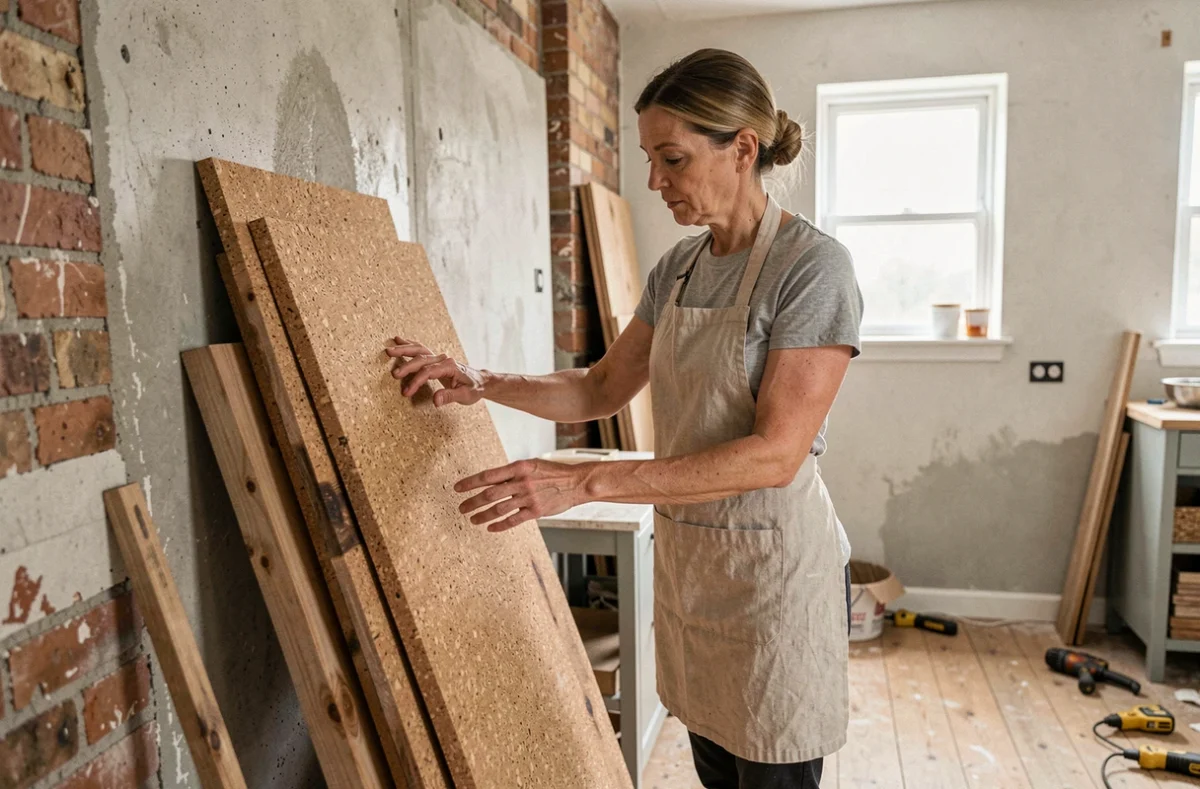
This diagnosis lists everything that can be preserved or reused before removal. Specifically, tiles, wooden beams, or joinery can be reintegrated into the project instead of being sent to a landfill. Ignoring this step exposes you to unnecessary costs and a loss of recoverable materials.
At the same time, the PMCB REP (extended producer responsibility for building products and materials), in effect since May 1, 2023, requires approved eco-organisms to contribute to the recovery of construction waste and support reuse. Before ordering new eco-friendly materials, it is advisable to check the recovery points and available local channels.
You will find a comprehensive overview of eco-friendly materials on iDéco Maison to identify options suitable for your renovation project.
Wood Fiber in Thermal Insulation: Real Performance and Technical Limits
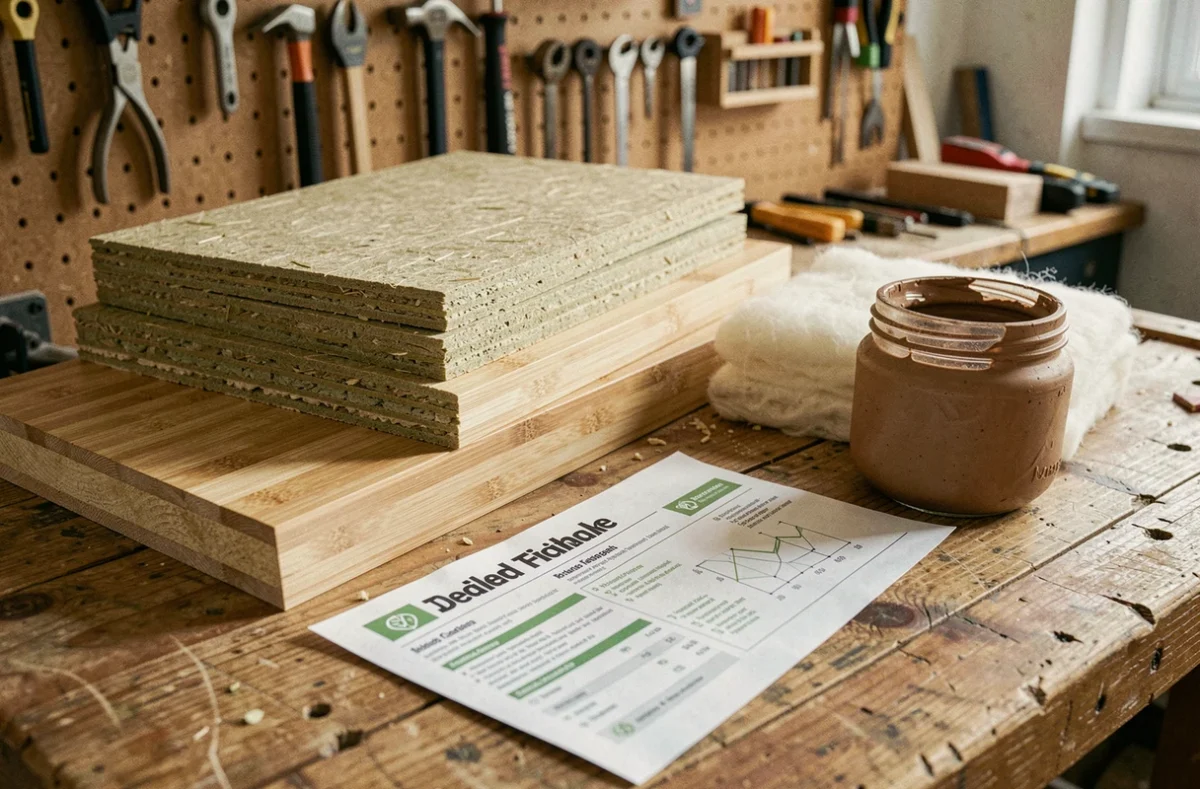
Wood fiber is among the most commonly used bio-based insulators in ecological renovations. Its thermal phase shift capacity makes it particularly effective in summer: it slows down the penetration of heat into the building, an advantage that conventional mineral insulators rarely offer at the same level.
Its acoustic qualities are also notable. However, wood fiber is sensitive to moisture, a point that Qualitel explicitly highlights. Poor management of water vapor can significantly reduce its insulating performance.
Installing a vapor barrier on the interior side is necessary when the wall configuration requires it. This precaution is not optional: without it, the material absorbs ambient moisture, loses thermal resistance, and may promote mold growth in the medium term. Choosing wood fiber only makes sense if the project adheres to these implementation rules.
Technical Criteria to Check Before Purchase
- The thermal resistance (R) of the panel or roll, which must meet the requirements of the housing’s climatic zone and the relevant area (walls, attics, floors).
- The presence or absence of treatment against wood-destroying insects, favoring boron salt-based treatments over conventional chemical solutions.
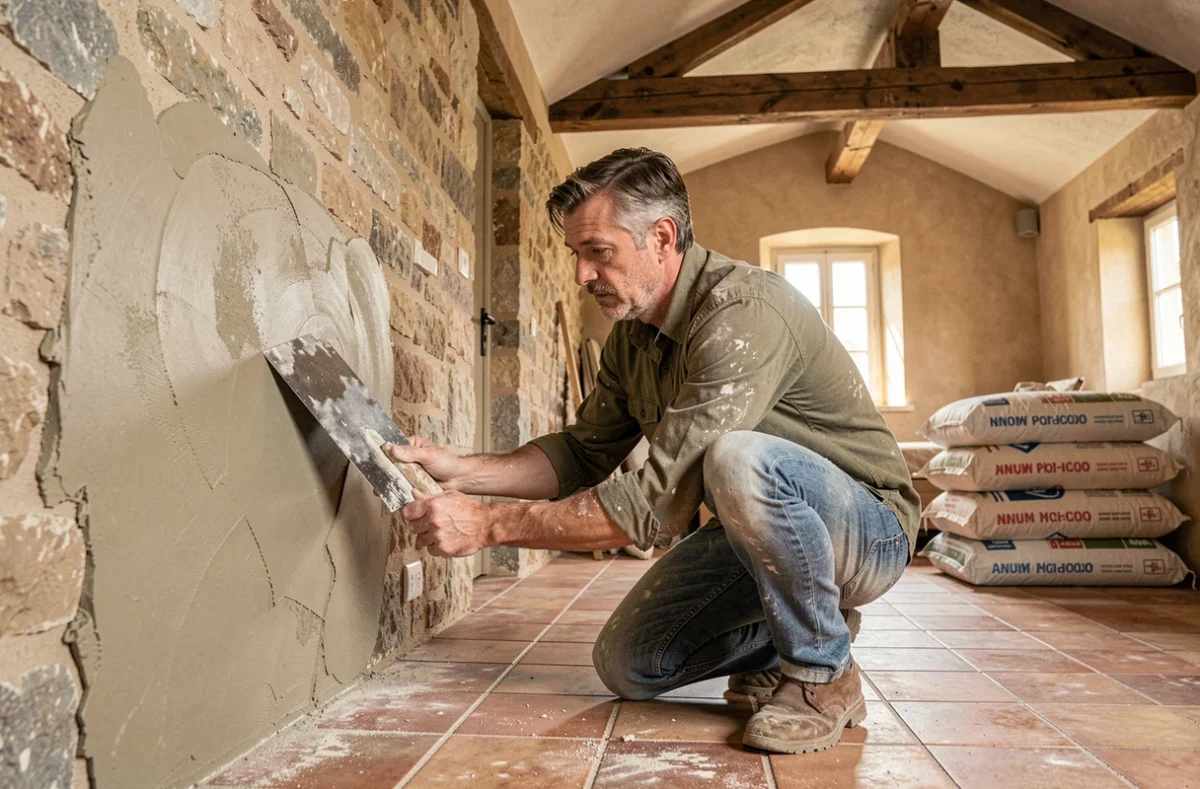
- Compatibility with the existing construction system: internal insulation on an old stone wall is not treated the same way as a stud frame lining.
Labels and Certifications for Eco-Friendly Materials: Reading Beyond Marketing
Greenwashing also affects construction materials. A green package or the term “natural” guarantees nothing in technical terms. To sort the information, it is essential to distinguish between labels that certify composition and those that assess overall performance.
The Bio-based Product label certifies that a material contains a verifiable proportion of plant or animal origin material. The ACERMI certification, on the other hand, focuses on thermal performance measured in a laboratory. These two approaches are complementary, not interchangeable.
An insulator can be bio-based without meeting the thermal performance required for your project. Conversely, a product that performs very well thermally may have an unfavorable carbon footprint due to its manufacturing process or transportation distance.
Concrete Guidelines for Sorting
- Check that the product carries a recognized certification (ACERMI for insulation, NF Environment or European Ecolabel for paints and coatings) rather than a simple self-awarded logo from the manufacturer.
- Consult the environmental and health declaration sheet (FDES) of the product, available on the INIES database, which details its impact throughout its life cycle.
- Compare the manufacturing location: a bio-based material produced near the site will have a significantly more favorable transport footprint than an imported product, even if the latter carries a prestigious label.
Ecological Renovation and Energy Savings: Balancing Insulation, Heating, and Ventilation
Renovating with eco-friendly materials yields the best results when the work follows a logical order. Insulation remains the first priority: reducing thermal losses before sizing a heating system avoids oversizing the equipment and generates sustainable energy savings.
A poorly insulated home equipped with a high-performance heat pump will always consume more than a well-insulated home with a modest heating system. The building envelope determines everything else.
Ventilation is the third aspect, often overlooked. A very well-insulated house but poorly ventilated concentrates humidity and indoor pollutants. Eco-friendly materials like wood fiber or hemp have the advantage of partially regulating humidity, but they do not replace a suitable mechanical air renewal system.
The sequencing recommended by professionals is clear: insulate first, ventilate next, heat last. This logic applies to both comprehensive renovations and staged projects, provided that air tightness is not compromised during intermediate phases.
Financial aid available in France (MaPrimeRénov’, energy savings certificates) often conditions their allocation on the use of an RGE professional and a coherent package of work. A qualified craftsman will be able to guide the choice of materials based on the existing structure, which remains the most determining factor for the success of an ecological renovation.